
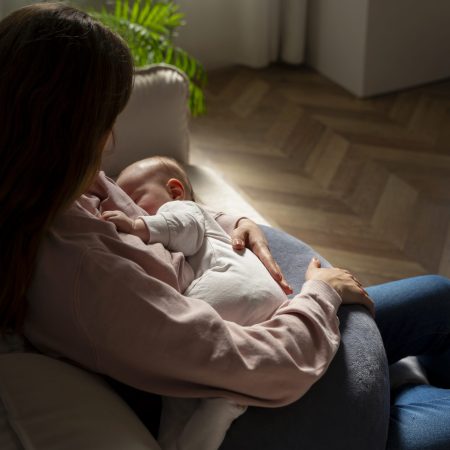
Welcoming a new baby can bring joy, love, and excitement—but it can also bring
unexpected emotional challenges.
Many parents are surprised by how they feel in the weeks after birth, especially when
those feelings don’t match what they expected.
If you’re feeling overwhelmed, disconnected, or not like yourself—you’re not alone.
What Is Postpartum Depression?
Postpartum depression (PPD) is a common condition that can affect parents after
having a baby.
It goes beyond the “baby blues” and can impact how you feel emotionally, mentally, and
physically.
Signs of Postpartum Depression
- Persistent sadness or low mood
- Feeling overwhelmed or unable to cope
- Loss of interest in things you once enjoyed
- Difficulty bonding with your baby
- Changes in sleep or appetite
- Feelings of guilt, shame, or inadequacy
- Increased anxiety or irritability
- These feelings can vary—and they are valid.
Baby Blues vs. Postpartum Depression
It’s normal to experience emotional ups and downs in the first couple of weeks after
birth.
But if your feelings:
- Last longer than two weeks
- Feel intense or overwhelming
- Interfere with daily life
- It may be time to seek professional support.
Why Support Matters
You are not meant to navigate this alone.
Having support—whether emotional, practical, or professional—can make a significant
difference in how you feel and how you heal.
Ways you can get support
- Talk to your healthcare provider
- Reach out to a therapist or counselor
- Lean on trusted family or friends
- Consider in-home postpartum support
You Are Not Alone
Postpartum depression is more common than many people realize—and it is treatable.
Asking for help is not a sign of weakness—it’s a step toward feeling better.
How I Support Families
At Mydcdoula, I provide compassionate, in-home postpartum support for families in
Washington, DC, Maryland, and Northern Virginia.
You deserve support, understanding, and care—not just as a parent, but as a person.
If something doesn’t feel right, trust yourself and reach out.
You are not alone—and you don’t have to go through this by yourself.
While I do not replace medical care, I offer emotional support, reassurance, and
practical help—so you feel less alone during this transition.
You need to login in order to like this post: click here